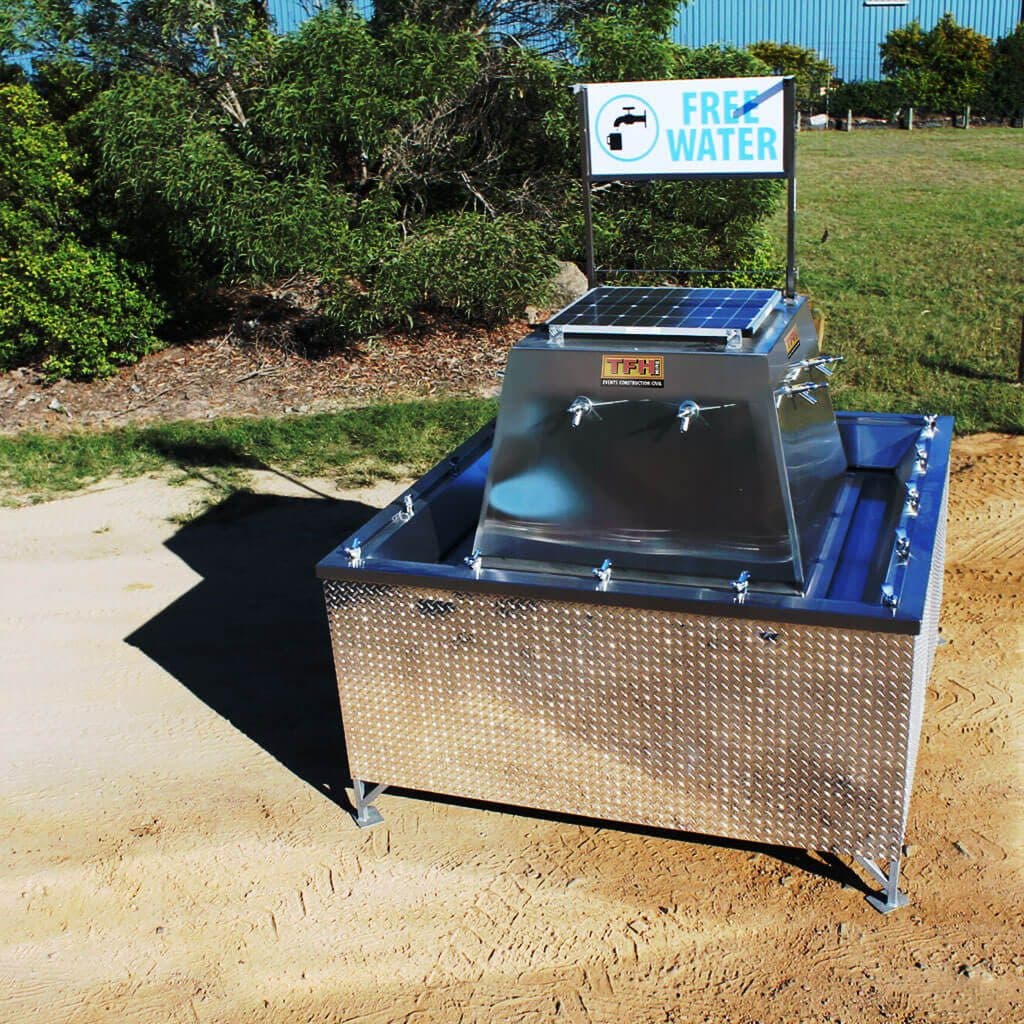
Heat stress is a recognised work health and safety hazard, and on an Australian site in February it is the most likely thing to put someone in an ambulance. The controls are well understood: shade, rest, rotation, and water within reach.
The part that gets missed is that the cold half of the year has a dehydration problem too, and it is harder to spot.
Why heat is the obvious risk
Working in heat, particularly in direct sun with PPE on, raises core temperature faster than most people expect. The progression runs from reduced concentration, through cramps and heat exhaustion, to heat stroke, which is a medical emergency.
The early stages are the dangerous ones on a construction site, because they do not look like a medical event. They look like someone making a mistake. Reaction times drop, judgement degrades, and the incident that follows gets recorded as an operator error rather than as heat.
Practical controls:
- Water within reach of the work face, not at the site shed two hundred metres away
- Scheduled breaks in shade, taken rather than offered
- Rotation through the hottest tasks during the hottest part of the day
- Acclimatisation for new starters and anyone returning after a break, who are at the highest risk
- Watching for the person who has stopped sweating, which is a late and serious sign
Why cold weather catches people out
In winter, thirst response drops. People simply do not feel like drinking, and nobody thinks about dehydration when it is nine degrees.
Meanwhile fluid is still being lost. Cold dry air increases respiratory water loss. Layered clothing and wet weather gear trap sweat during physical work. Cold weather also promotes fluid loss through increased urine output.
The result is a crew that arrives dehydrated by mid morning without a single person noticing, on a day when nobody is thinking about water. Reduced concentration on a cold site produces the same errors as reduced concentration on a hot one.
Making water available is the whole intervention
Consumption is driven almost entirely by proximity. A water point at the work face gets used. A water point at the site entrance does not, because in a ten minute break nobody walks four hundred metres for a drink.
For most sites the practical setup is:
- Water hydration units or a hydration station positioned near where the work is happening
- Water bubblers for fixed locations with high traffic
- A water hub on larger sites needing bulk supply
- Bottled water for mobile crews, visitors and situations where a fixed point is impractical
Where there is no mains connection, event water services cover potable supply.
Move the water as the work moves
The most common failure on a long project is that the water point stays where it was installed in week one while the work face moves steadily away from it. Reviewing the position when the work moves is a five minute task that determines whether the provision is real or nominal.
What to tell a crew
Short and repeatable beats a toolbox talk nobody remembers:
- Drink before you are thirsty. Thirst is a late signal, and later still in winter.
- Keep drinking on cold days at roughly the same rate as warm ones.
- Watch your workmates. People rarely notice their own early symptoms.
- Flag it early. Stopping for ten minutes is cheaper than everything that follows.
Sorting out site water
Water is usually ordered with the rest of the site setup, so it is worth covering in the same conversation as amenities and fencing. Request a quote or get in touch.
More on site welfare in portable toilets and site hygiene.