Event planning fails in a predictable way: the enjoyable decisions get made first and the structural ones get made late, at which point they are constraints rather than choices. The venue is booked before the traffic plan is thought about; the lineup is announced before the licence conditions are read. This sequence exists to prevent that.
1. Define the event in one paragraph
Attendance, audience, duration, licensed or not, ticketed or open. Every downstream decision, permits, insurance, infrastructure, hangs off these facts, so write them down before anything is booked. Changing them later reprices everything.
2. Confirm the approvals path
Before committing to a site or date, find out what the event legally requires: council event permits, liquor licensing, traffic approvals, food permits, noise conditions. Approval lead times, not ticket sales, are what actually set your planning timeline. This step is boring, which is why it gets skipped, which is why events get cancelled.
3. Choose the site against the requirements, not the photos
A beautiful site that lacks vehicle access, power, water or drainage is a beautiful problem. Walk it with the infrastructure list in hand: where do trucks enter, where does the crowd queue, what happens when it rains, who are the neighbours.
4. Draw the site plan early and keep it current
The site plan is the single document every supplier, authority and volunteer works from: stages, gates, fencing lines, toilets, bars, first aid, emergency egress, vehicle routes. Every change re tests the plan.
5. Design the crowd flows
Arrival, queuing, circulation, exit, and the emergency version of each. Queue space at gates is the most underestimated area on amateur site plans. The tools are covered in crowd control barrier hire.
6. Book the infrastructure as one package
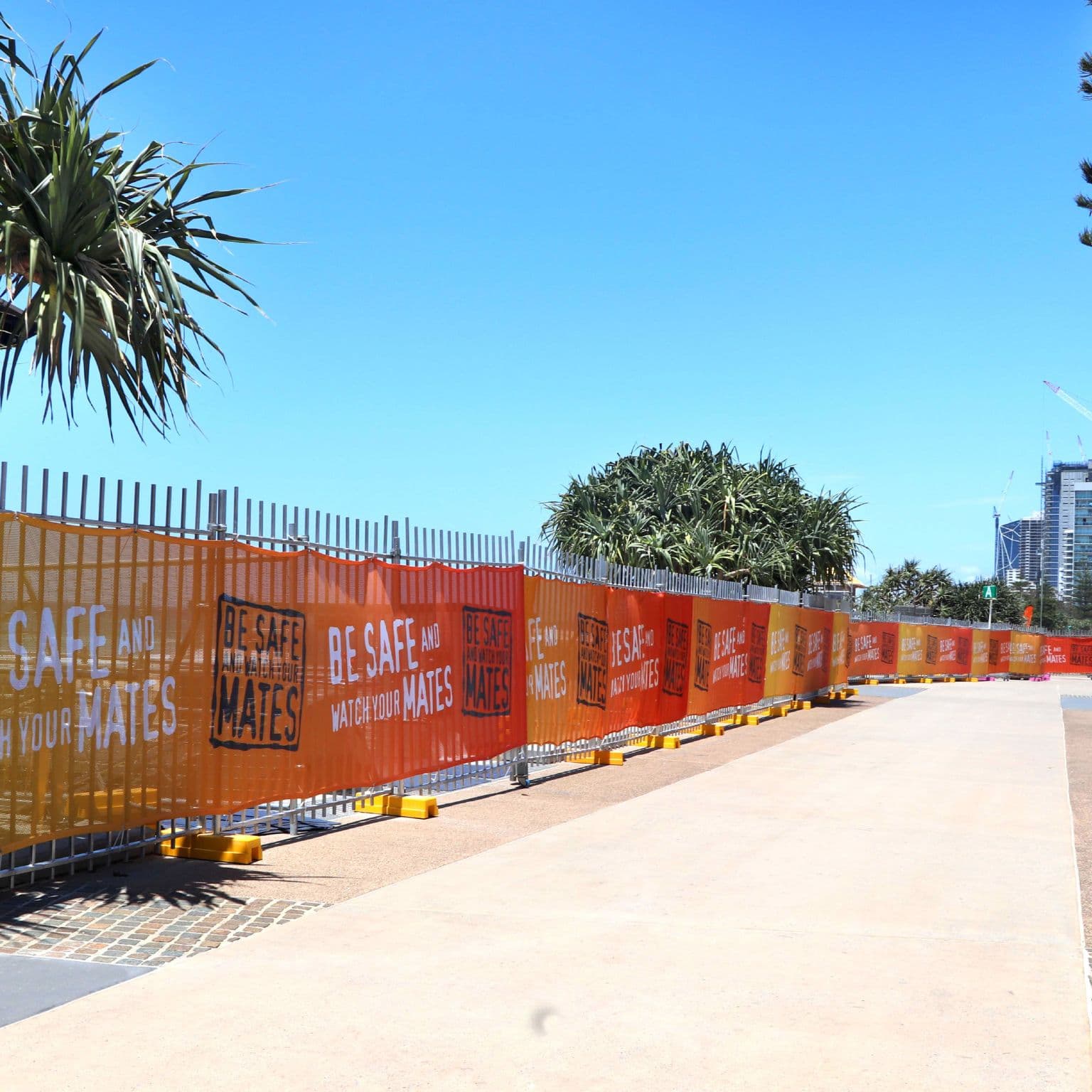
Fencing, crowd barriers, toilets, water, waste bins, ticket offices and banner mesh coordinate better from one supplier with one delivery schedule. Peak weekends are capacity constrained across the industry, so this booking belongs months out, not weeks. The sanitation arithmetic is in the event sanitation guide.
7. Plan the vehicle story
Car parking, drop off, accessible parking, supplier and emergency access, and the interface where every one of those meets pedestrians. Arrow boards and water barriers do the heavy lifting; the logic is in event traffic safety.
8. Write the safety and emergency plan with the site plan open
Egress points, assembly areas, first aid positions, severe weather triggers, cancellation criteria. The plan must match the fence lines on the ground, and the fence design must honour the plan's opening points.
9. Lock the build and strike schedule
When is the site available, what arrives in what order, and what must be gone by when. Fencing arrives early in the build; waste collection closes the strike. Suppliers need these windows at booking time.
10. Brief the people
Volunteers and staff need to know the site plan, the flows, and who decides what when something changes. A twenty minute briefing with the site map fixes most of what goes wrong on the day.
11. Walk the site the morning of
Gates latch, barriers are where the plan says, egress routes are clear, signage is up, toilets are stocked. The walk takes an hour and catches the overnight surprises.
Getting the infrastructure sorted
Steps 6 and 7 are where we come in. Request a quote with the site plan and dates, or get in touch and we can help shape the list.