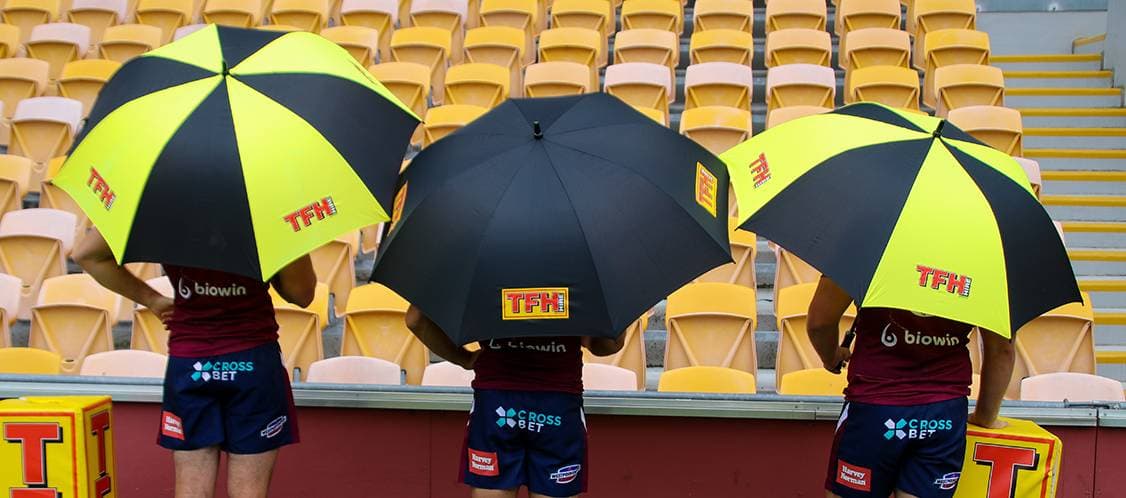
Nobody leaves an event talking about the fencing. That is the point of it. Event infrastructure succeeds by being invisible: the queues moved, the site felt safe, the toilets worked, and thousands of people had a day out without once thinking about the equipment that shaped it. Supplying that invisible layer is the business TFH has built since it started in a Logan backyard shed more than two decades ago.
What event infrastructure actually covers
The public sees a stage and a crowd. Underneath sits a checklist:
- The perimeter: mesh fencing defining the site and the licensed area, with hoarding where sightlines matter, covered in depth in the festival security guide
- Crowd management: crowd control barriers shaping queues, stage fronts and flows
- Amenities: portable toilets, accessible units, hand washing and ablution blocks for multi day sites
- Ticketing points: ticket offices in two to five window configurations
- Water: hydration stations and bulk supply, with event water services where mains do not reach
- Waste: skip bins and wheelie bins sized to the crowd
- Traffic: arrow boards, cones and water barriers at the car park interface
- Branding: custom banner mesh turning the fence line into sponsor and wayfinding real estate
The credentials that matter at scale
The measure of an event supplier is delivery under fixed dates, and the reference case is the Gold Coast 2018 Commonwealth Games, where TFH served as Official Supplier of Security Fencing across almost 22,000 metres of Games perimeter. The full story is in the GC2018 case study.
Behind that capability sit the structural facts: Australian family ownership, local manufacturing of the large majority of the fleet, branches nationally, and a quality system certified to ISO 9001:2015. Manufacturing locally is what makes large commitments credible, because replenishment does not wait on a shipping lane.
From the Games to the school fete
The same fleet that fences a Games venue does the local netball carnival, and the planning discipline scales down gracefully:
- Define the site and the flows
- Fence the boundary that matters, barrier the queues
- Provide amenities to the real peak crowd
- Manage the car park interface
- Book it all as one delivery
That sequence, expanded, is our 11 step event planning guide. The community end of the spectrum, the fetes, carnivals and regional festivals, is also where TFH's sponsorship activity concentrates.
Working with an event supplier well
The suppliers' collective wisdom for organisers fits in three lines: book early because peak weekends exhaust fleet, share the site plan because it prevents most delivery problems, and flag the strike deadline because getting out matters as much as getting in.
Planning something?
Request a quote with dates, expected attendance and whatever site plan exists, or get in touch. Related reading: choosing event fencing and crowd control barrier hire.